Skip to content
Summary Highlights
| A composite deck is a modern, low-maintenance alternative to traditional wood, made from recycled wood fibers and plastics. This eco-friendly material resists water damage, mold, and splintering while offering long-lasting beauty and durability. Whether you’re comparing wood vs. composite, exploring capped composite options, or evaluating decking materials like wood-plastic composite and PVC, this guide breaks down everything you need to know. Learn about installation costs, popular board sizes, aesthetic finishes, and maintenance tips. Discover why composite decking is ideal for patios, stairs, or balconies, and how it supports long-term home improvement goals with style and sustainability. |
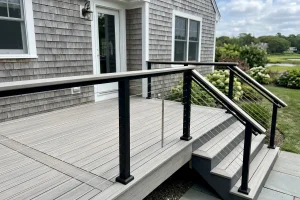
Wondering what a composite deck is and why so many homeowners are choosing it? Composite decking blends style and function, offering a low maintenance alternative to traditional wood. It’s known for its durability, modern appeal, and long term value. Before making a decision, it’s worth exploring the benefits, materials, and overall potential of this popular option.
Let’s take a closer look at answering the questions of what is a composite deck, and what are the best composite decking materials to choose. Here are the need to know details and how to determine what is the best composite decking material for your decking project.
Understanding Composite Decking
Composite decking combines materials for a durable and low-maintenance outdoor surface. Unlike traditional wood, it offers a variety of styles and finishes, making it a popular choice for homeowners and recommended by local deck builders. Let’s explore the various types of composite decking materials and compare them to wood.

What Is a Composite Deck?
A composite decking material is a blend of recycled wood fibers and plastic, offering durability and minimal maintenance. Unlike wood, composite doesn’t splinter or require sealing.
It resists stains, fading, and mold while delivering long lasting beauty. With diverse colors and textures, composite decking is a wise investment for stylish, hassle free outdoor living.
Composite Decking vs. Traditional Wood
Composite boards offer durability, low maintenance, and resistance to pests, splintering, and warping. Traditional wood delivers timeless aesthetics and allows for easier customization, but requires sealing and frequent repairs.
Composite decking suits those wanting convenience and longevity, while wood appeals to fans of natural charm. Consider the costs, effort, and design when choosing the right material for your deck.
Types of Composite Decking Materials
Understanding the different composite decking materials is essential when planning a new deck. Each type offers unique features, from protective capping to material composition.
- Capped vs. Uncapped
Capped composite decking features a protective outer layer that helps resist fading, staining, and moisture, making it a low maintenance choice for outdoor spaces. Uncapped decking, while typically more affordable, lacks this protective shell and is more susceptible to wear and tear over time.
- Wood Plastic Composite vs. PVC Composite
Wood plastic composite decking combines wood fibers with plastic to replicate the appearance of real wood while enhancing its durability. PVC composite, made entirely from plastic, offers superior moisture resistance and longevity. While wood plastic composites provide a natural appearance, PVC options are ideal for areas with high humidity or frequent rain.
Common Sizes and Shapes of Composite Boards
Composite boards typically come in lengths of 12, 16, or 20 feet, with widths ranging from 4 to 6 inches and a thickness of approximately 1 inch. Choose grooved edges for hidden fasteners or square edges for visible screws. These options offer flexibility in style and function, enabling you to create a composite deck that perfectly suits your vision.
Key Benefits of Composite Decks
Discover why composite decks are becoming a top choice for homeowners, offering long term durability, low maintenance, and modern aesthetics with minimal upkeep year after year. Here’s what you need to know about answering the question: what is a composite deck?
Durability and Weather Resistance
Composite decks are built to resist warping, rotting, and splintering perfect for unpredictable weather. Rain, sun, or snow, they retain their look and strength. Mold, mildew, and insects are rarely a concern. For homeowners wondering what a composite deck is, it’s a long lasting solution that withstands the outdoors with minimal wear and tear.
Low Maintenance and Longevity
Forget constant staining or sealing composite decks only need a basic wash to stay in top shape. Their resistance to decay and structural damage helps them last for decades. That longevity reduces repair costs over time. If you want a backyard feature that stays beautiful with minimal effort, composite decking is a wise, lasting investment.
Aesthetic Flexibility and Color Choices
Composite decking offers homeowners incredible creative freedom when designing outdoor spaces that reflect their personal style and blend seamlessly with their surroundings.
- Choose from a wide range of colors, from earthy tones to bold hues
- Select grain patterns that mimic natural wood or offer sleek modern textures
- Match decking finishes with your home’s exterior, trim, or landscaping
- Mix and match planks to create eye catching patterns or borders
- Opt for matte or glossy finishes to suit aesthetic preferences
Eco Friendly Materials and Sustainability
Composite decking stands out not only for its aesthetic appeal and performance but also for its environmental benefits, making it an innovative and sustainable choice.
- Made from recycled wood fibers and plastics, reduces landfill waste
- Minimizes the need for chemical treatments like stains and sealants
- Designed to last longer than wood, reducing resource consumption over time
- Resistant to rot, mold, and insects, lowering the frequency of replacement
- Supports eco conscious landscaping and green building goals
How Composite Decking Is Made
Discover how recycled wood fibers and plastics are combined under high heat and pressure to create durable, weather resistant boards suitable for outdoor deck construction.

Manufacturing Process of Composite Boards
Creating composite decking boards is a precise, multi step process designed for durability, consistency, and long term beauty in outdoor applications.
- Begins with blending recycled wood fibers and plastic in a controlled ratio
- Material is heated and extruded through molds to form long, uniform boards
- Boards are cooled and trimmed to standard lengths (often 12, 16, or 20 feet)
- Additives may be introduced for enhanced color, UV protection, or durability
- Each board undergoes quality control inspections to meet industry standards
- Finished boards are packaged and shipped for retail distribution
Ingredients: Recycled Wood Fibers & Plastics
Composite decking materials are created from recycled wood fibers and plastics, offering an eco conscious alternative to traditional lumber. The wood fibers add strength and a natural appearance, while plastic resists moisture, UV damage, and insect infestations.
This blend minimizes waste and enhances longevity, resulting in a sturdy, sustainable product that delivers low maintenance beauty. Perfect for homeowners seeking durability without compromising environmental responsibility.
How It Gets Its Texture and Color
Composite decking achieves its texture and color through a specialized production process. Heated blends of recycled materials are shaped into molds for smooth or wood like finishes. Additives, such as pigments and UV stabilizers, ensure rich, fade resistant colors.
Manufacturers may also enhance grip and slip resistance for safety the result is a visually appealing deck surface built to maintain its texture and hue in any climate.
Composite Deck Installation Insights
Get essential tips and best practices for installing composite decking efficiently, from substructure prep to fastening methods and finishing touches for a clean, professional look.
Can You DIY a Composite Deck?
DIY composite decks are possible if you’re comfortable with tools and planning. Accurate measurements, code compliance, and manufacturer guidelines are critical. Pay close attention to drainage and safety features, such as railings. With patience and care, you can build a functional, attractive deck that elevates your outdoor living space no contractor required.
Hiring Professional Composite Deck Builders
Hiring professional composite deck builders offers reliable expertise and efficiency. They adhere to code requirements and utilize specialized tools to achieve seamless results. Though more costly upfront, pros reduce stress, guarantee structural integrity, and may offer material warranties. Their experience helps achieve a polished finish, making your investment worthwhile for long term value.
Cost Overview: Materials & Labor
Composite deck costs vary by size, complexity, and material choice. Basic options start around a few thousand, while larger, premium decks reach over $15,000. Labor rates differ by region and contractor skill level. Comparing multiple quotes ensures fair pricing. Consider both aesthetics and durability when budgeting for your outdoor upgrade.
Maintenance Tips for Long Lasting Results
Maintaining a composite deck is simple yet essential. These easy tips will help preserve its appearance, functionality, and durability, keeping your outdoor space beautiful and worry free for many years to come.
- Sweep regularly to remove leaves, dirt, and debris
- Clean with mild soap and water twice a year
- Avoid pressure washers and harsh chemicals
- Remove stains using a soft bristle brush promptly
- Inspect for loose boards and fasteners, and replace as needed
- Apply protective sealant every few years for added longevity
Is Composite Decking Right for You?
Are you unsure if composite decking fits your needs? We’ll break down its pros and cons to help you decide if it matches your lifestyle, budget, and design goals.
Ideal Use Cases and Locations
Composite decking suits a wide range of outdoor settings, offering both functionality and visual appeal across various climates and property types.
- Great for patios and family entertainment areas
- Perfect for balconies and small nooks for relaxation
- Moisture resistant ideal for waterfront homes and poolside installations
- Holds up well in regions with intense heat, cold, or humidity
- Offers eco friendly value with recycled material content
- Works in both sprawling backyard decks and compact urban spaces
Factors to Consider (Budget, Climate, Aesthetics)
Choosing composite decking means balancing costs, environmental conditions, and your desired visual outcome.
- Composite options are pricier initially but reduce long term maintenance costs.
- Durable in areas with seasonal extremes resistant to rot, splitting, and fading
- Offers multiple grain patterns and colors to match various architectural styles
- Requires minimal upkeep, making it ideal for busy homeowners
- Complements contemporary, rustic, or traditional outdoor aesthetics
- Budget conscious users should weigh upfront cost vs. long term savings
Comparing Composite to Other Decking Options
Each decking material has its strengths, but composite stands out for its longevity and ease of care. It is all part of understanding the answer to the question: what is a composite deck?
- Composite resists warping, rotting, and splintering excellent for safety and durability.
- Pressure treated wood is less expensive but requires sealing, staining, and regular maintenance.
- Aluminum lasts long but may lack visual warmth and texture
- Composite costs more initially but offers lasting value with reduced upkeep
- More comfortable underfoot and available in realistic wood look finishes
- Ideal for homeowners who prefer beauty without constant maintenance
FAQs About Composite Decks
Many homeowners have questions about composite decks, and it’s easy to understand why.
What is the lifespan of a composite deck?
Composite decks typically last 25 to 30 years. They’re resistant to fading, warping, and staining, offering long term durability with minimal upkeep. Proper installation and routine cleaning help maximize lifespan, making composite decking a reliable investment for a long lasting outdoor space.
Is composite decking slippery when wet?
Composite decking can be slippery when wet, especially with smooth finishes. Some brands offer textured surfaces or anti slip coatings to improve traction. Keeping the deck clean and free of debris also helps reduce slipperiness, especially in humid or rainy conditions.
How much does composite decking cost?
Composite decking usually costs $2–$10 per square foot, depending on quality and design. Installation adds $3-$10 more. While the upfront cost may be high, reduced maintenance and longevity make composite decking a wise, long term investment.
Can you paint or stain composite decking?
Painting or staining composite decking isn’t recommended. Most boards have protective finishes that resist adhesion, and altering them may void warranties. If color changes are needed, use deck coatings approved by the manufacturer.
Does composite decking get hot in summer?
Yes, composite decking can get hot in direct sunlight. Lighter colors absorb less heat, making them cooler underfoot. Adding shade or outdoor rugs helps manage heat retention for more comfortable summer use.
Ready to Build a Composite Deck?
Thinking about upgrading your outdoor space? A composite deck offers durability, low maintenance, and lasting style. With various textures and colors available, it’s easy to create a customized look. Just consider your budget, design goals, and local building codes. Whether you opt for a DIY or professional approach, a well built composite deck can significantly elevate your home’s outdoor living experience. Contact Local Composite Deck Builders for a Quote!